Your Job discrimination based on hair color style images are ready. Job discrimination based on hair color style are a topic that is being searched for and liked by netizens today. You can Download the Job discrimination based on hair color style files here. Download all royalty-free photos and vectors.
If you’re looking for job discrimination based on hair color style images information connected with to the job discrimination based on hair color style keyword, you have pay a visit to the right blog. Our website frequently gives you suggestions for refferencing the maximum quality video and picture content, please kindly surf and find more enlightening video content and images that fit your interests.
Job Discrimination Based On Hair Color Style. The federal district court in alabama dismissed the claim, saying that racial discrimination must show bias based on traits that a person cannot change, like skin color, and that a hairstyle doesn. The new york city commission on human rights released guidance in february 2019 that targeting individuals based on hairstyle at work, school, or public places will be considered racial discrimination under the new york city human rights law (nychrl). The manual protects against “employment discrimination based on a person’s physical characteristics associated with race, such as a person’s color, hair, facial features, height and weight.” the manual states that employers can impose neatness and grooming standards, as long as racial differences are taken into account and the rules are. Discrimination based on someone’s hairstyle is not addressed by federal law.
 Hair Discrimination = Race Discrimination Arefin Law Office From arefinlaw.com
For the most part, federal courts recognized that discrimination based on hair texture was unlawful under title vii. Guidance on race discrimination based on hairstyle. Federal laws prohibiting discrimination because of age, race, gender and religion protect workers from hostile work environments. Policies regarding hairstyles predominately affect african americans and other people of color with textured hair. Employers who discriminate based on hair texture or style could face penalties of up to $250,000 under. It�s still legal in most states to ban natural hair styles like braids or dreadlocks.
And the new laws have some teeth:
It prohibits discrimination based on natural hair style and texture, such as locs, cornrows, twists, braids,. The manual protects against “employment discrimination based on a person’s physical characteristics associated with race, such as a person’s color, hair, facial features, height and weight.” the manual states that employers can impose neatness and grooming standards, as long as racial differences are taken into account and the rules are. Why is hair discrimination race discrimination? The act ensures protection against discrimination based on hairstyles by extending statutory protection to hair texture and protective styles. Federal laws prohibiting discrimination because of age, race, gender and religion protect workers from hostile work environments. The us house passed the crown act as bill hr5309 in 2020.
 Source: pinterest.com
Federal laws prohibiting discrimination because of age, race, gender and religion protect workers from hostile work environments. Although all states have not adopted this law, enforcement of the crown act will require employers and schools to examine their seemingly neutral hair and grooming policies and their unequal effect on black. Employers that have appearance policies that prohibit certain hairstyles may violate an individual’s religious beliefs and/or may cause racial discrimination. Implementation and enforcement of the crown act will require employers and schools to examine their facially neutral grooming and appearance policies and their disparate impact on african americans and other minorities. It�s still legal in most states to ban natural hair styles like braids or dreadlocks.
 Source: oag.dc.gov
Crown stands for create a respectful and open workplace for natural hair. The act outlaws discrimination on the basis of hairstyle choices predominately worn by black people, including. The crown act (short for the “create a respectful and open world for natural hair” law) is a law to end hair discrimination based on hairstyle or texture. Implementation and enforcement of the crown act will require employers and schools to examine their facially neutral grooming and appearance policies and their disparate impact on african americans and other minorities. Why is hair discrimination race discrimination?
 Source: pinterest.com
Cincinnati, ohio and montgomery county, maryland have also passed the crown act. For the most part, federal courts recognized that discrimination based on hair texture was unlawful under title vii. Implementation and enforcement of the crown act will require employers and schools to examine their facially neutral grooming and appearance policies and their disparate impact on african americans and other minorities. In 2019, california became the first state to ban discrimination based on hairstyles by passing the crown act (creating a respectful. It�s still legal in most states to ban natural hair styles like braids or dreadlocks.
 Source: pinterest.com
Implementation and enforcement of the crown act will require employers and schools to examine their facially neutral grooming and appearance policies and their disparate impact on african americans and other minorities. The act outlaws discrimination on the basis of hairstyle choices predominately worn by black people, including. Employers who discriminate based on hair texture or style could face penalties of up to $250,000 under. The new jersey crown act makes it unlawful to discriminate against people at work based on hair texture, hair type, and hairstyles such as braids, locks or twists. Implementation and enforcement of the crown act will require employers and schools to examine their facially neutral grooming and appearance policies and their disparate impact on african americans and other minorities.
 Source: pinterest.com
The crown act (short for the “create a respectful and open world for natural hair” law) is a law to end hair discrimination based on hairstyle or texture. Guidance on race discrimination based on hairstyle. In other words, hair discrimination is a theory of discrimination under which a plaintiff asserts unlawful disparate treatment or disparate impact based on an employer’s prohibition on wearing a natural hair texture or hairstyle when such hair texture or hair style is closely associated with the plaintiff’s race or ethnicity. The act outlaws discrimination on the basis of hairstyle choices predominately worn by black people, including. The new york city commission on human rights released guidance in february 2019 that targeting individuals based on hairstyle at work, school, or public places will be considered racial discrimination under the new york city human rights law (nychrl).
 Source: pinterest.com
Why is hair discrimination race discrimination? Employers that have appearance policies that prohibit certain hairstyles may violate an individual’s religious beliefs and/or may cause racial discrimination. Why is hair discrimination race discrimination? Cincinnati, ohio and montgomery county, maryland have also passed the crown act. The act outlaws discrimination on the basis of hairstyle choices predominately worn by black people, including.
 Source: pinterest.com
An earlier version of the crown act was first introduced in california in january 2019, and. For the most part, federal courts recognized that discrimination based on hair texture was unlawful under title vii. Stands for create a respectful and open world for natural hair. The manual protects against “employment discrimination based on a person’s physical characteristics associated with race, such as a person’s color, hair, facial features, height and weight.” the manual states that employers can impose neatness and grooming standards, as long as racial differences are taken into account and the rules are. It�s still legal in most states to ban natural hair styles like braids or dreadlocks.
 Source: pinterest.com
A law known as the crown act prohibits discrimination based on hair style and hair texture. And the new laws have some teeth: This enforcement guidance clarifies and explains how the new jersey division on civil rights (dcr) applies the new jersey law against discrimination (lad) to discrimination based on hairstyles, 1 with a particular focus on hairstyles closely associated with black people.2 The us house passed the crown act as bill hr5309 in 2020. Employers that have appearance policies that prohibit certain hairstyles may violate an individual’s religious beliefs and/or may cause racial discrimination.
 Source: change.org
Guidance on race discrimination based on hairstyle. It also requires jobs and schools to update any policies put in place that use biased language that focuses on a person’s appearance. Federal laws prohibiting discrimination because of age, race, gender and religion protect workers from hostile work environments. The federal district court in alabama dismissed the claim, saying that racial discrimination must show bias based on traits that a person cannot change, like skin color, and that a hairstyle doesn. The commission explained that the impetus for the guidance was bias against african americans.
 Source: wtop.com
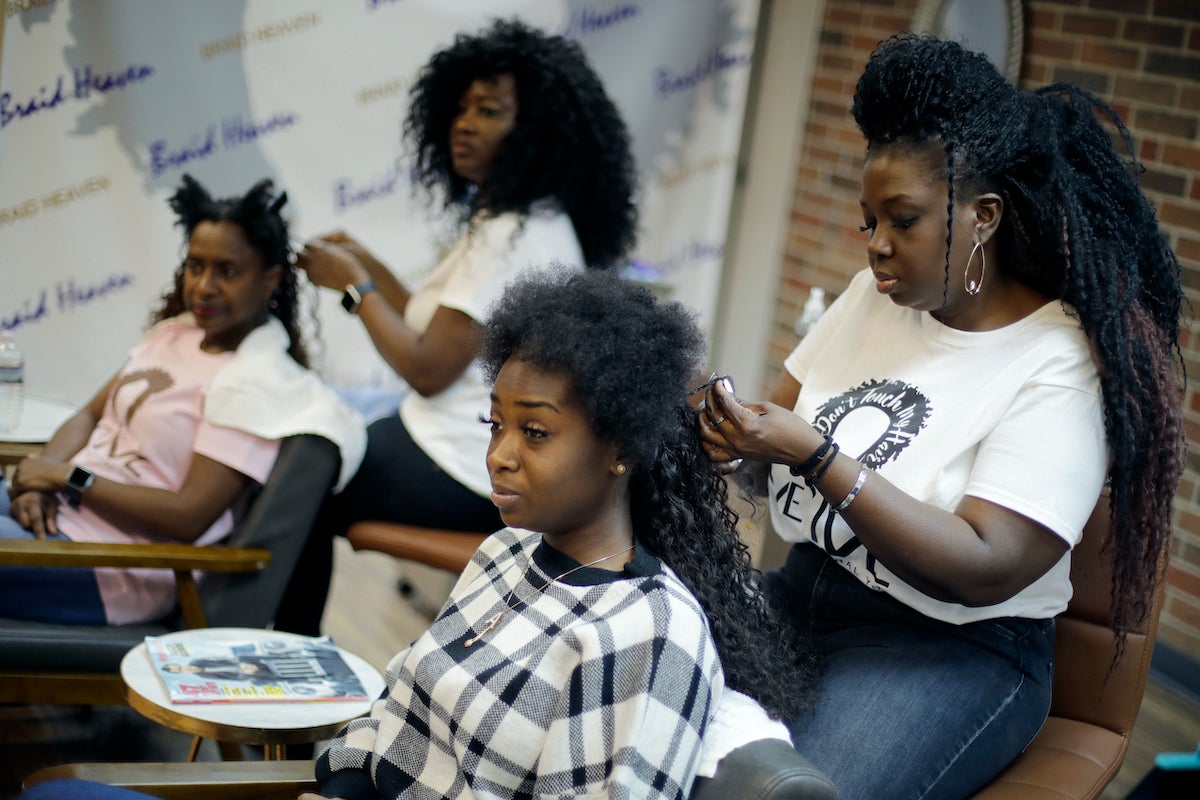
It also requires jobs and schools to update any policies put in place that use biased language that focuses on a person’s appearance. The new jersey crown act makes it unlawful to discriminate against people at work based on hair texture, hair type, and hairstyles such as braids, locks or twists. Crown stands for create a respectful and open workplace for natural hair. In 2019, california became the first state to ban discrimination based on hairstyles by passing the crown act (creating a respectful. In other words, hair discrimination is a theory of discrimination under which a plaintiff asserts unlawful disparate treatment or disparate impact based on an employer’s prohibition on wearing a natural hair texture or hairstyle when such hair texture or hair style is closely associated with the plaintiff’s race or ethnicity.
 Source: whyy.org
And the new laws have some teeth: The new jersey crown act makes it unlawful to discriminate against people at work based on hair texture, hair type, and hairstyles such as braids, locks or twists. A law known as the crown act prohibits discrimination based on hair style and hair texture. With respect to hair color those guidelines stated: The us house passed the crown act as bill hr5309 in 2020.
 Source: pinterest.com
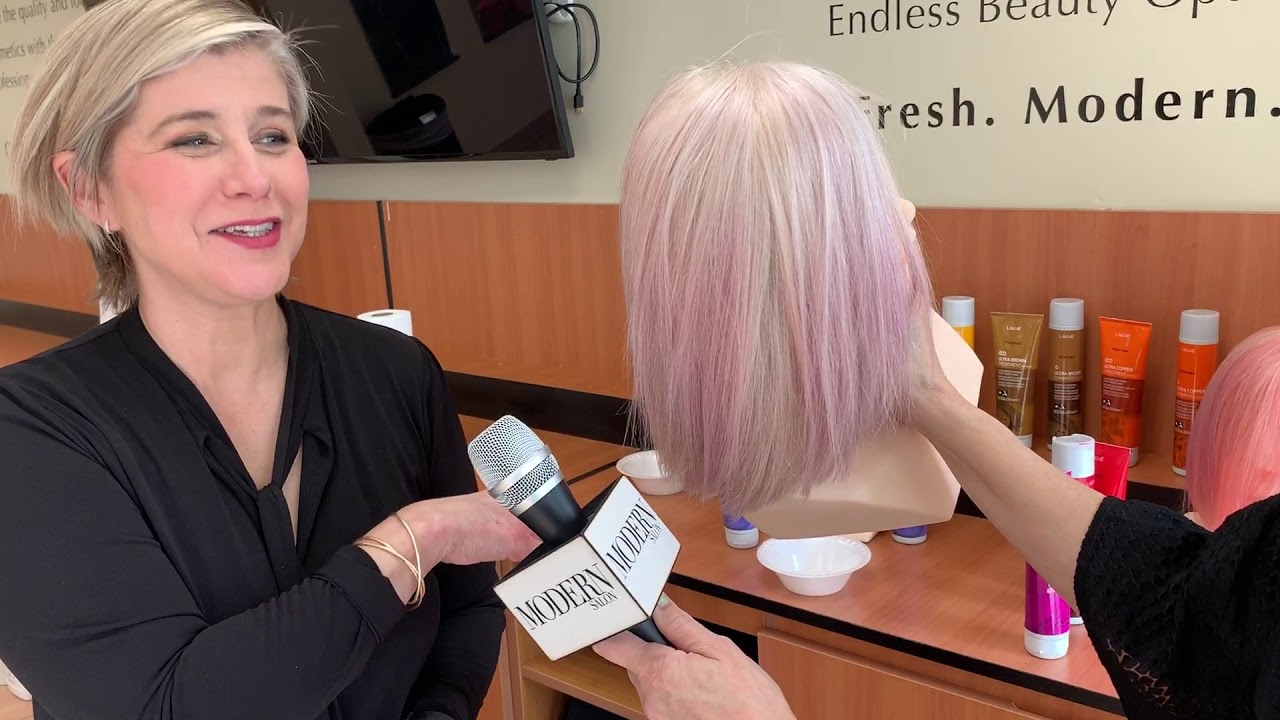
Hair is versatile, so you and your friends can choose many different styles and colors for going to work. The commission explained that the impetus for the guidance was bias against african americans. It prohibits discrimination based on natural hair style and texture, such as locs, cornrows, twists, braids,. Discrimination based on someone’s hairstyle is not addressed by federal law. Crown stands for create a respectful and open workplace for natural hair.
 Source: businessinsider.com.au
The federal district court in alabama dismissed the claim, saying that racial discrimination must show bias based on traits that a person cannot change, like skin color, and that a hairstyle doesn. The new york city commission on human rights released guidance in february 2019 that targeting individuals based on hairstyle at work, school, or public places will be considered racial discrimination under the new york city human rights law (nychrl). Hair is versatile, so you and your friends can choose many different styles and colors for going to work. Crown stands for create a respectful and open workplace for natural hair. For the most part, federal courts recognized that discrimination based on hair texture was unlawful under title vii.
 Source: nul.org
Employers who discriminate based on hair texture or style could face penalties of up to $250,000 under. In 2019, california became the first state to ban discrimination based on hairstyles by passing the crown act (creating a respectful. The act ensures protection against discrimination based on hairstyles by extending statutory protection to hair texture and protective styles. It�s still legal in most states to ban natural hair styles like braids or dreadlocks. Cincinnati, ohio and montgomery county, maryland have also passed the crown act.
 Source: youtube.com
In other words, hair discrimination is a theory of discrimination under which a plaintiff asserts unlawful disparate treatment or disparate impact based on an employer’s prohibition on wearing a natural hair texture or hairstyle when such hair texture or hair style is closely associated with the plaintiff’s race or ethnicity. Employers who discriminate based on hair texture or style could face penalties of up to $250,000 under. Why is hair discrimination race discrimination? The new york city commission on human rights released guidance in february 2019 that targeting individuals based on hairstyle at work, school, or public places will be considered racial discrimination under the new york city human rights law (nychrl). Stands for create a respectful and open world for natural hair.
 Source: preview.ph
Cincinnati, ohio and montgomery county, maryland have also passed the crown act. Crown stands for create a respectful and open workplace for natural hair. Guidance on race discrimination based on hairstyle. Cincinnati, ohio and montgomery county, maryland have also passed the crown act. So discrimination based on an afro would be an illegal form of race discrimination.
 Source: pinterest.com
The new york city commission on human rights released guidance in february 2019 that targeting individuals based on hairstyle at work, school, or public places will be considered racial discrimination under the new york city human rights law (nychrl). In 2019, california became the first state to ban discrimination based on hairstyles by passing the crown act (creating a respectful. It also requires jobs and schools to update any policies put in place that use biased language that focuses on a person’s appearance. A law known as the crown act prohibits discrimination based on hair style and hair texture. Implementation and enforcement of the crown act will require employers and schools to examine their facially neutral grooming and appearance policies and their disparate impact on african americans and other minorities.
Source: arefinlaw.com
Employers who discriminate based on hair texture or style could face penalties of up to $250,000 under. With respect to hair color those guidelines stated: Why is hair discrimination race discrimination? The us house passed the crown act as bill hr5309 in 2020. The act outlaws discrimination on the basis of hairstyle choices predominately worn by black people, including.
This site is an open community for users to submit their favorite wallpapers on the internet, all images or pictures in this website are for personal wallpaper use only, it is stricly prohibited to use this wallpaper for commercial purposes, if you are the author and find this image is shared without your permission, please kindly raise a DMCA report to Us.
If you find this site beneficial, please support us by sharing this posts to your own social media accounts like Facebook, Instagram and so on or you can also save this blog page with the title job discrimination based on hair color style by using Ctrl + D for devices a laptop with a Windows operating system or Command + D for laptops with an Apple operating system. If you use a smartphone, you can also use the drawer menu of the browser you are using. Whether it’s a Windows, Mac, iOS or Android operating system, you will still be able to bookmark this website.